High-precision instruments for air quality monitoring, particle measurement, and environmental analysis – built for reliability, accuracy, and compliance.
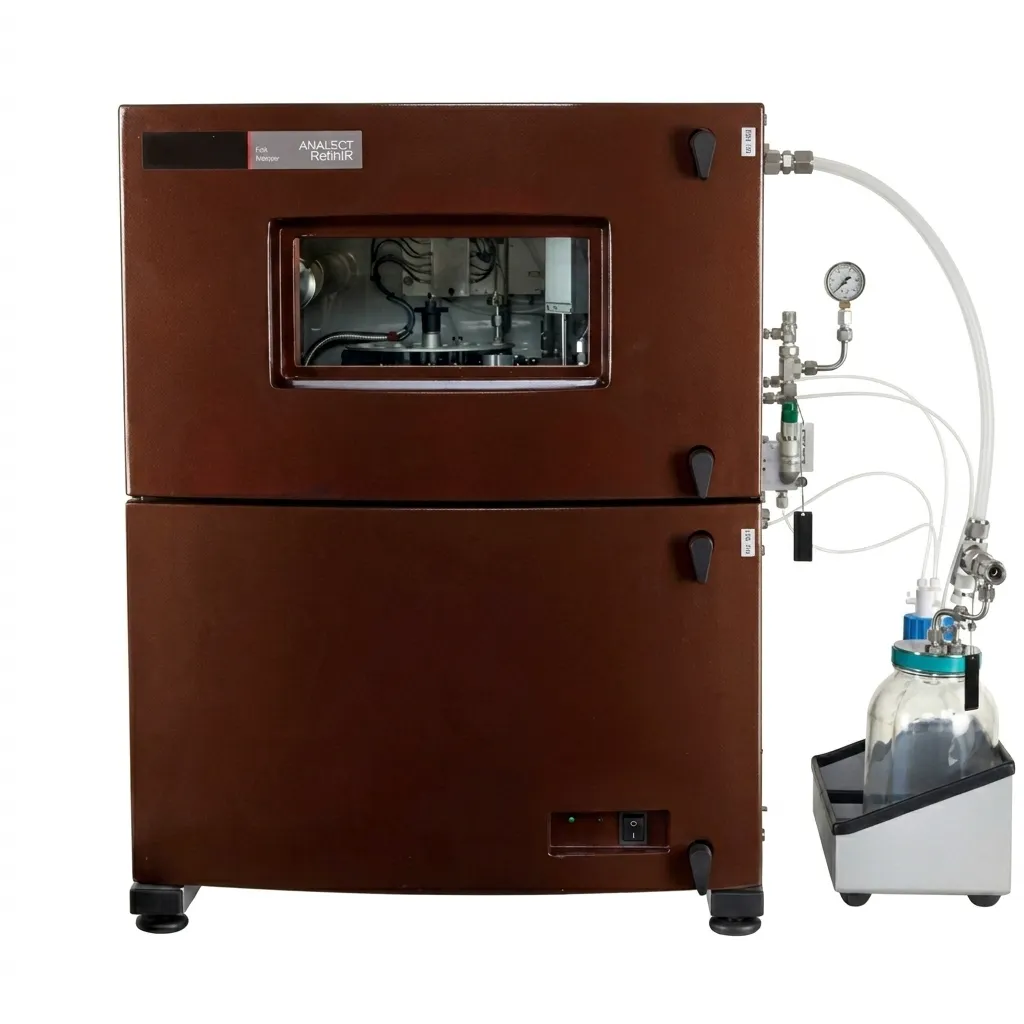
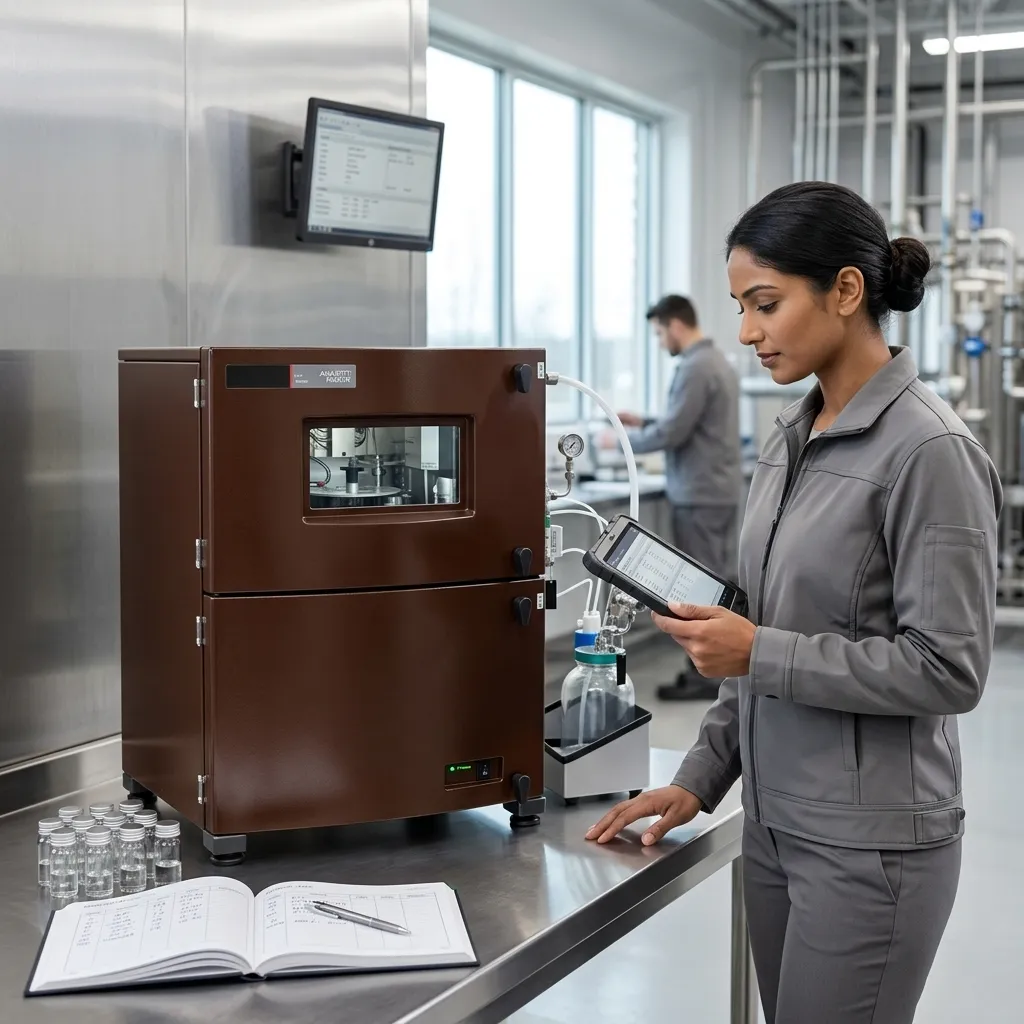
The Process Insights ANALECT RefinIR is a high-performance, fully integrated laboratory autosampler and FTIR/FT-NIR process analyzer engineered for the precise chemical and physical characterization of liquid hydrocarbons. Designed to bridge the operational gap between benchtop laboratory testing and online process optimization, this system automates spectral data acquisition across a wide array of refinery streams—ranging from highly volatile blended gasoline and diesel to heavy crude oils and complex chemical intermediates. By consolidating robust automated sample handling and high-resolution infrared spectroscopy into a single compact unit, the analyzer enables refinery laboratories, petrochemical plants, and process engineers to accelerate chemometric model building, ensure strict product quality control, and streamline calibration workflows.
At the heart of the Process Insights ANALECT RefinIR is the process-proven Diamond 20 Transept™ interferometer platform, coupled with modernized DCM 600™ data acquisition electronics. Operating within a broad spectral range of 7000 to 450 cm⁻¹, the system leverages Fourier Transform Infrared (FTIR) and Fourier Transform Near-Infrared (FT-NIR) optical absorption spectroscopy to resolve the complex molecular structures of hydrocarbon matrices.
A primary differentiator of this platform is its utilization of the ANALECT XCORR™ Model Transference Protocol. In traditional refinery analysis, transferring chemometric calibration models from a laboratory environment to an online process analyzer typically introduces optical and spectral discrepancies that demand extensive manual recalibration. The XCORR protocol eliminates this friction, allowing calibration models developed on the laboratory benchtop with the RefinIR to be transferred directly to the online ANALECT Hydrocarbon SmartSystem™ operating within hazardous process zones. This establishes a unified calibration ecosystem that maintains absolute measurement alignment between primary laboratory verification and real-time process monitoring.
Within the intensely integrated refining and chemical clusters of the Benelux region—such as the Port of Antwerp-Bruges and the Rotterdam petrochemical corridor—operational agility and rapid product certification directly impact plant economics. The Process Insights ANALECT RefinIR delivers targeted value across several key regional applications:
Crude Oil Assay & Intermediate Testing: Rapid characterization of incoming crude fractions and heavy intermediates to optimize downstream distillation and conversion units.
Fuel Blending Optimization: Delivering fast feedback on critical properties such as octane number, cetane number, and chemical composition to ensure final refinery products hit commercial targets without costly giveaway.
Petrochemical Component Streams: Monitoring feedstocks and intermediate reaction chemistries for polymer manufacturing, aromatics processing, and large-scale industrial synthesis.
Refinery and petrochemical laboratories require instrumentation that maximizes automated uptime while mitigating operator exposure and sample cross-contamination. The ANALECT RefinIR addresses these challenges through a fully automated sampling sequence utilizing an integrated carousel that holds twenty-four (24) 15 ml vials.
To successfully process highly viscous fractions—such as heavy crudes or Fluid Catalytic Cracking (FCC) feedstocks—the autosampler features embedded oven controllers and intrinsically safe thermal sensors. Depending on configuration, the system can condition and analyze samples over a heated range of 40°C to 125°C.
To maintain spectral integrity across diverse sample batches, the instrument includes dual 2-liter vessels dedicated to wash and validation solvents. The automated flow-through cleaning cycle restricts vial-to-vial cross-contamination to less than 0.1%. Preventive maintenance is further simplified by the thermo-electrically stabilized DTGS detector and automated zeroing protocols, which minimize instrument drift and reduce manual intervention requirements.
The analyzer is governed by SpectraQ™ software, which features a customizable Human-Machine Interface (HMI) designed to reduce complex multi-property predictions down to single-touch operations. Although the RefinIR operates as a benchtop or at-line laboratory instrument, its data architecture is built for industrial connectivity. Through its direct companion alignment with online process units, the platform supports downstream data mapping into plant-wide Distributed Control Systems (DCS) and SCADA networks. This connectivity enables process engineers to leverage laboratory-validated chemometric data to refine closed-loop process control variables and validate online process analyzer performance remotely.
Footprint Optimization: The highly integrated design of the autosampler and spectrometer reduces the required laboratory benchtop footprint by up to 60% compared to legacy multi-instrument testing setups.
Rapid Calibration Modeling: Automated multi-sample sequencing allows rapid collection of high-density spectral libraries, significantly lowering the technician hours required to build and validate robust chemometric models.
Thermal Versatility: Precise sample temperature conditioning up to 125°C allows the automated analysis of both light distillates and heavy, viscous hydrocarbon fractions within a single automated run.
Operating within strict international standards and European environmental frameworks requires meticulous traceability. The Process Insights ANALECT RefinIR directly supports compliance and quality management workflows by embedding automated hardware and software routines compliant with ASTM D6122 (Standard Practice for Validation of the Performance of Multivariate Process Infrared Spectrometers). The integrated wash and validation functionality automates the periodic performance checks required to guarantee spectral quality, providing robust, trace-ready documentation for internal quality control audits and external regulatory verification.
AAVOS supports industrial operators across Belgium, the Netherlands and Luxembourg with analyser selection, integration support and environmental or process monitoring expertise. Our technical specialists ensure your laboratory and process analytical equipment is correctly aligned with your specific application demands, hardware integration standards, and regional regulatory compliance frameworks.
Request technical documentation for the Process Insights ANALECT RefinIR.
Contact AAVOS specialists to evaluate your refinery chemometric workflows.
Discuss analyser integration and lab-to-line calibration transference options.
Brand: Process Insights (ANALECT®)
Measured Components: Liquid hydrocarbons, chemical composition, physical properties (including model-dependent parameters like octane number, cetane number, and sulfur content)
Applications: Crude oil analysis, fuel blending optimization, component stream monitoring, automated chemometric calibration collection
Measurement Principle: Fourier Transform Infrared / Near-Infrared (FTIR / FT-NIR) Optical Absorption Spectroscopy
Certifications: ASTM D6122 compliant validation functionality; intrinsically safe sensors embedded within the heated oven assembly
Industrial Sectors: Refining, Petrochemical, Chemical, Polymer Manufacturing, Industrial Manufacturing
Integration Possibilities: ANALECT XCORR Model Transference Protocol to Hydrocarbon SmartSystem, host computer execution via SpectraQ software, downstream DCS/SCADA data alignment
Maintenance Considerations: Automated solvent wash cycle (<0.1% cross-contamination), automated performance validation, thermo-electrically stabilized DTGS detector, dual 2-liter solvent reservoirs
Regulatory Relevance: ASTM D6122 validation, international fuel quality standards, European refinery operating guidelines
How does the ANALECT XCORR protocol simplify model transference between the lab and the process line?
The XCORR Model Transference Protocol standardizes the spectral data acquired on the laboratory benchtop so that it matches the optical characteristics of the companion online process analyzer (such as the Hydrocarbon SmartSystem). This eliminates the spectral drift and baseline variations that typically happen when moving models between different instruments, allowing chemometric models built in the lab to be deployed directly online without manual recalibration.
What types of heavy or highly viscous hydrocarbon samples can the RefinIR safely automate?
Thanks to an integrated, heated autosampler compartment controlled by dedicated oven electronics, the system can heat samples from 40°C up to 125°C (depending on configuration). This allows the automated carousel and flow-through cell to process highly viscous liquids like heavy crude oils, intermediates, and Fluid Catalytic Cracking (FCC) feedstocks that would otherwise clog unheated sampling systems.
How does the system prevent cross-contamination when switching between different fuel fractions in the same carousel?
The instrument incorporates a dedicated validation and cleaning skid supplied by two 2-liter vessels for wash and validation solvents. Between sample runs, the system executes an automated wash routine that thoroughly flushes the liquid transmission cell. This engineering design ensures that vial-to-vial cross-contamination remains below 0.1%, which satisfies the strict spectral integrity requirements mandated by ASTM D6122.
Nous utilisons des cookies pour vous offrir une meilleure expérience utilisateur sur ce site web. Politique de cookies