High-precision instruments for air quality monitoring, particle measurement, and environmental analysis – built for reliability, accuracy, and compliance.
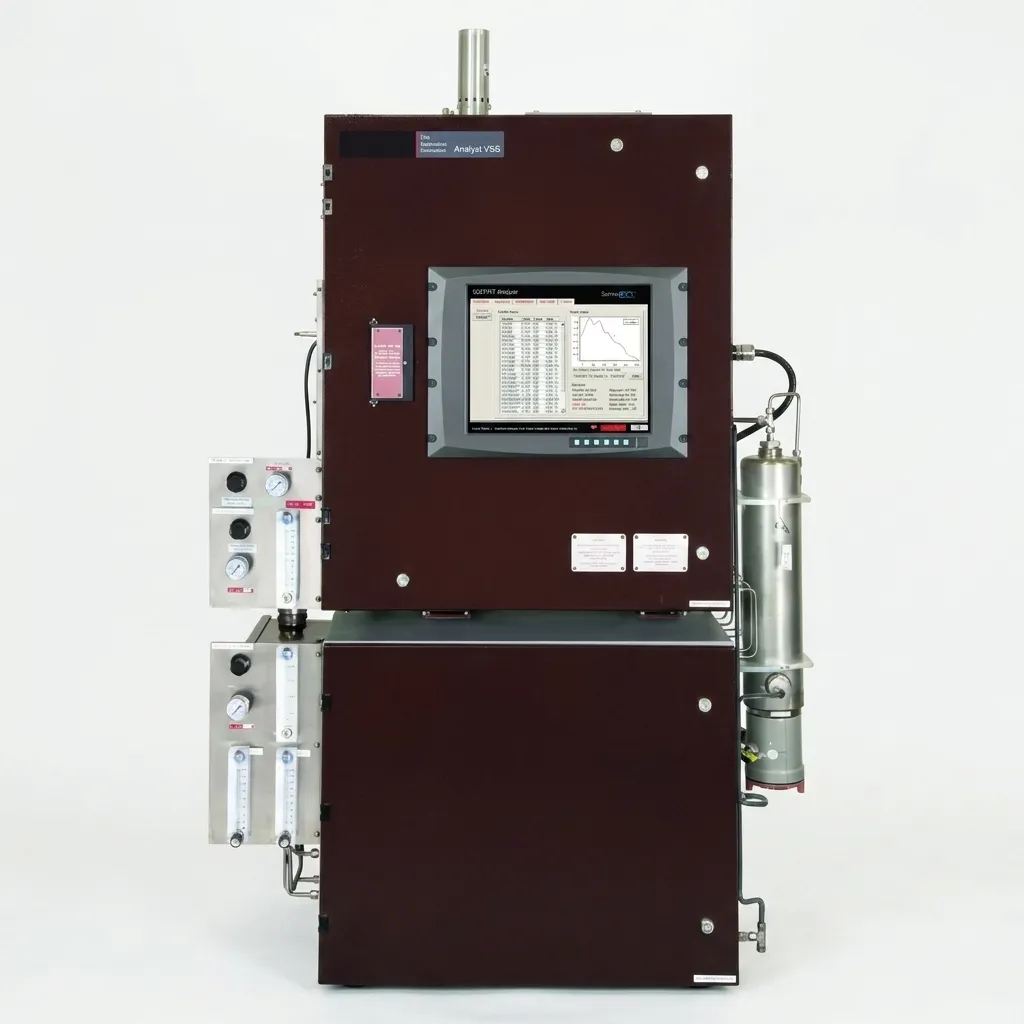
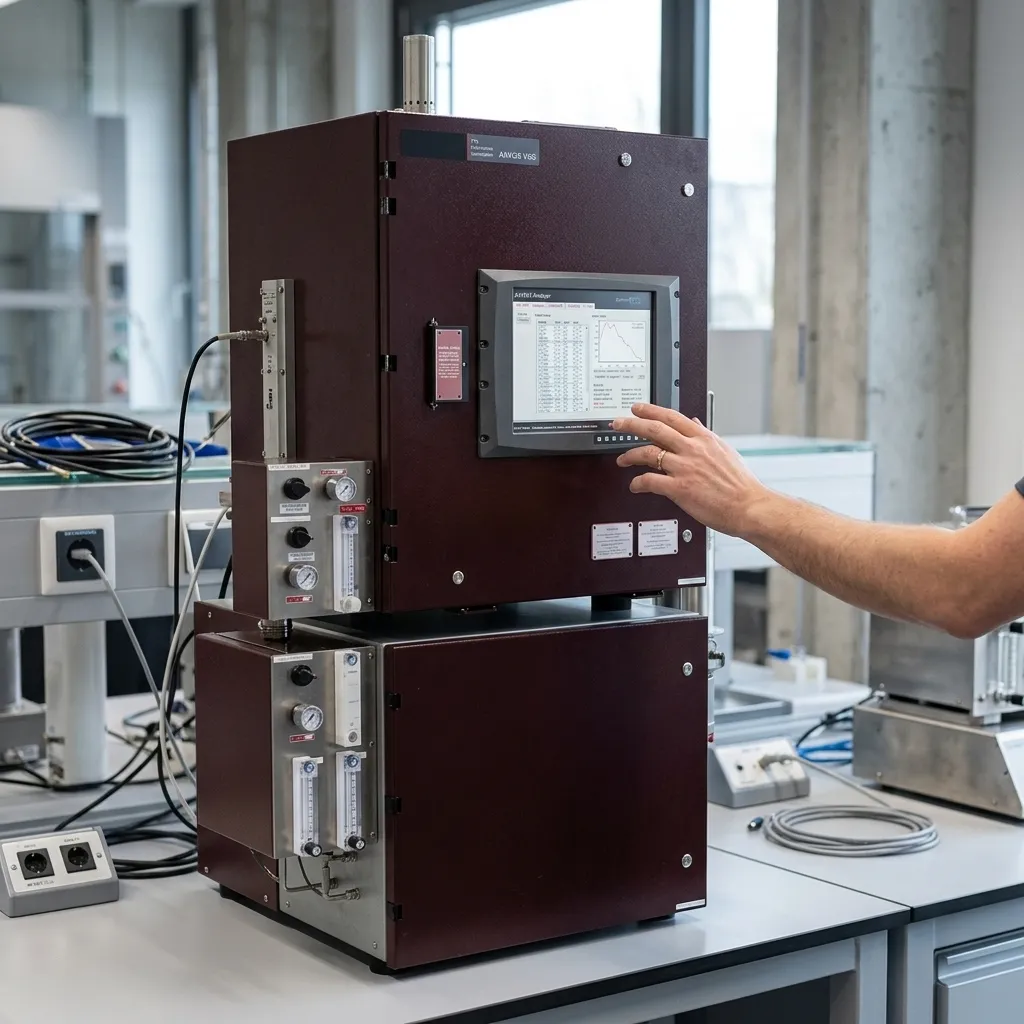
The Process Insights Analect Hydrocarbon SmartSystem is an online, real-time liquid and gas process analyzer engineered for the demanding environments of modern downstream oil and gas refining and petrochemical manufacturing. Utilizing Fourier Transform Infrared (FTIR) and Fourier Transform Near-Infrared (FT-NIR) spectroscopy across extended spectral bands, this multi-stream analytical platform provides continuous, multi-component monitoring of complex chemical compositions and critical physical properties.
By shifting quality validation directly from delayed laboratory testing into the active process pipeline, plant operators can achieve much tighter control over distillation columns, conversion units, and finished product blending lines. The system is configured to eliminate the variance associated with manual extraction, delivering rapid analytical updates to maintain tight product specifications.
In the highly integrated refining and petrochemical clusters across Belgium, the Netherlands, and Luxembourg—such as the vital Antwerp, Rotterdam, and Terneuzen industrial regions—operational margins depend heavily on rapid feedstock adjustments and strict compliance with European fuel standards. The Analect Hydrocarbon SmartSystem addresses high-stakes applications ranging from crude oil characterization at the refinery battery limit to final product certification at the blender.
Key industrial use cases within Benelux facilities include:
Gasoline Blending Optimization: Continuous determination of Research Octane Number (RON), Motor Octane Number (MON), Reid Vapor Pressure (RVP), and benzene content allows operators to blend closer to structural limits, preventing costly premium component giveaway.
Diesel Stream Management: Real-time monitoring of Cetane number, cetane index, polycyclic aromatics, and kinematic viscosity ensures automotive or marine diesel meets regional specifications without downstream reblending delays.
Conversion Unit Feed Analysis: Measuring intermediate refinery streams, such as Fluid Catalytic Cracking (FCC) feeds, straight-run naphtha, reformates, and alkylates, provides the immediate composition data necessary to maximize yield and safeguard downstream catalyst life.
At the core of the system is the robust Analect Diamond 20™ Transept™ Interferometer platform. Unlike fragile laboratory instrumentation, this vibration-resistant optical bench is purpose-built to withstand the mechanical dynamics of industrial analyzer shelters. By scanning across the extended Mid-IR and Near-IR spectral regions, the system captures a vast amount of molecular information from light-to-heavy hydrocarbon streams.
To transform these complex spectral absorption profiles into actionable process metrics, the analyzer utilizes advanced chemometric modeling. The embedded software architecture utilizes Principal Component Analysis (PCA) and Principal Component Regression (PCR) via SpectraQuant™ modeling tools.
Crucially, using the proprietary Analect XCORR™ Model Transference Protocol, chemometric models developed offline on the companion laboratory autosampler (such as the ANALECT RefinIR™) can be seamlessly deployed directly to the online system. This eliminates the need for extensive on-site calibration recalibration, ensuring excellent alignment between the laboratory and the process line.
Extracting a representative sample from a fast-flowing, high-temperature hydrocarbon line requires advanced conditioning before it enters the optical cell. The Analect Hydrocarbon SmartSystem incorporates a fully integrated sample conditioning system. Depending on configuration, this infrastructure includes precise sample temperature conditioning, automated water removal, and particulate filtration blocks designed to safeguard the analytical hardware.
For heavy intermediates or crude applications, an optional heated sampling system maintains high-viscosity hydrocarbons at flowable temperatures. To protect optical transparency and measurement integrity over long production cycles, the system incorporates automated cell wash cycles and an automated sample outlier collection feature. This ensures that abnormal process fluids are isolated for validation without fouling the main transmission cells.
Modern refining demands seamless communication between analytical hardware and the plant’s main control room. Operating on the SpectraRTS™ software platform, the analyzer provides comprehensive runtime system control, diagnostics, and flexible interface tools. The automation package supports direct communication with Distributed Control Systems (DCS) and SCADA networks via standard industrial protocols.
Through interactive scripting, the system can automatically switch between chemometric model sets when a change in the blend type is initiated by the control room. This capability maximizes blended measurement efficiency across varying feedstocks and product recipes without manual technician intervention.
Achieving a demonstrated uptime greater than 99%, the analyzer is engineered to limit field intervention and maximize operational continuity. Robust field performance is backed by built-in validation routines in strict accordance with international industrial standards. The software platform facilitates the automated execution of:
ASTM D6122: Standard practice for validation of the performance of multivariate process infrared spectrometers.
ASTM E1655: Standard practice for infrared multivariate quantitative analysis.
These automated validation functionalities allow plant maintenance teams to confirm instrument performance, linearity, and spectral quality without disrupting ongoing stream analysis or requiring manual laboratory checks.
AAVOS supports industrial operators across Belgium, the Netherlands and Luxembourg with analyser selection, integration support and environmental or process monitoring expertise.
Request technical documentation for the Analect Hydrocarbon SmartSystem.
Contact AAVOS specialists to discuss refining process optimization.
Discuss analyser integration within your existing plant DCS or SCADA network.
Brand: Process Insights (ANALECT)
Measured Components: Hydrocarbon physical properties and chemical compositions (including RON, MON, Cetane number, RVP, benzene content, aromatics, distillation points, density, viscosity, flash point — parameter availability is model and configuration dependent)
Applications: Real-time online refinery process monitoring, fuel blending optimization (gasoline, diesel), crude oil analysis, conversion unit component stream processing
Measurement Principle: Fourier Transform Infrared (FTIR) / Fourier Transform Near-Infrared (FT-NIR) spectroscopy using extended Mid-IR and NIR spectral ranges
Certifications: Validation protocols compliant with ASTM D6122 and ASTM E1655 standards
Industrial Sectors: Oil & Gas Refining, Petrochemical, Chemical Manufacturing
Integration Possibilities: Distributed Control Systems (DCS) and SCADA integration via the SpectraRTS software platform (configuration dependent)
Maintenance Considerations: Automatic cell wash system, automated ASTM validation skid, vibration-resistant optical bench to prevent alignment drift, automatic outlier sample collection
Regulatory Relevance: European fuel specification compliance, industrial process efficiency optimization, refinery product quality assurance
How does the system transfer calibration models from the laboratory to the process line? The system utilizes the proprietary Analect XCORR™ Model Transference Protocol. This allows chemometric calibration models built in the laboratory on a companion Diamond 20 or RefinIR autosampler to be transferred directly to the online Analect Hydrocarbon SmartSystem without losing precision or requiring on-site recalibration.
Can the analyzer handle high-viscosity or heavy hydrocarbon streams like FCC feed? Yes. Model dependent and depending on configuration, the analyzer can be equipped with an integrated heated sample conditioning system capable of handling heavy intermediates and crudes, maintaining optimal sample temperatures to prevent wax drop-out and ensure stable flow through the transmission cells.
What automation protocols are supported for refinery control room communication? The analyzer runs on the SpectraRTS™ platform, which features robust communication options designed to interface directly with major industrial Distributed Control Systems (DCS) and SCADA environments. This allows for automated model switching during fuel blend transitions and real-time system diagnostics/alarming.
Nous utilisons des cookies pour vous offrir une meilleure expérience utilisateur sur ce site web. Politique de cookies