High-precision instruments for air quality monitoring, particle measurement, and environmental analysis – built for reliability, accuracy, and compliance.
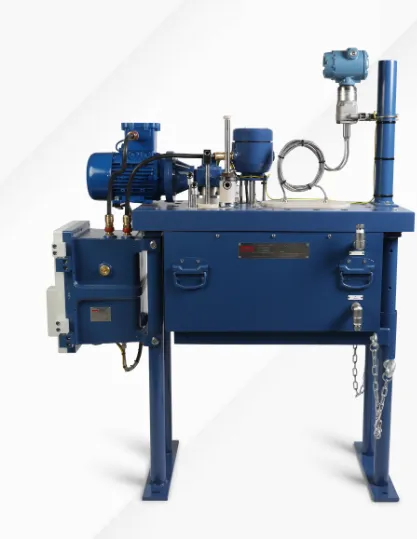
The Model 491 is a wide-bore capillary viscometer built for continuous, real-time viscosity measurement on petroleum process streams — dynamic viscosity in centipoise, with kinematic viscosity calculated from measured density where that's the value you actually need for ASTM D445 or D2170 reporting. It reads the product as it flows rather than pulling periodic samples, which is the detail that lets it run outdoors without an air-conditioned shelter.
The Model 491 covers both in-process control and finished-product QC: lube oil and fuel oil blending, where cut-point and blend-quality control depend on a stable in-line viscosity reading; lube oil de-waxing; bitumen product specification; visbreaker feedstock; and residual fuels, where meeting a quality specification on the finished stream is the whole point of the measurement. Typical process fluids include crude oil, fuel oil, gasoline, kerosene and lube oil.
Refinery process engineers controlling blending cut points on lube oil and fuel oil streams; quality control teams verifying bitumen or residual fuel specifications before product leaves the plant; and process teams running visbreaker units who need a continuous feedstock viscosity signal rather than a lab result that arrives after the fact.
Sample flows continuously through a wide-bore capillary, and the pressure drop or flow behaviour across that capillary is converted to dynamic viscosity in centipoise. Where kinematic viscosity (cSt) is the value actually needed — for ASTM D445 or D2170 reporting, for instance — it's calculated from the measured dynamic viscosity together with density data, rather than measured directly by a second instrument. Capillary size and transmitter selection are matched to the customer's viscosity range and stream characteristics, which is how the same platform covers everything from lighter blending components up to heavier bitumen and residual fuel streams.
Note: the manufacturer's full specification brochure is referenced on ATAC's site but the PDF itself couldn't be retrieved for this draft (empty response on fetch). It's worth downloading directly from ATAC or requesting it from their sales team to confirm dimensions, weight, process connections, output signals and response time before this page goes live — none of those are stated in the source text available here.
Does this measure dynamic or kinematic viscosity?
Dynamic viscosity (cP) directly. Kinematic viscosity (cSt) is calculated from the measured dynamic viscosity combined with density data, rather than measured by a separate instrument.
Is it suitable for a classified hazardous area?
Yes — it's ATEX certified for Zone 1 IIB+H2.
What's the difference between this and the Model 421?
The Model 491 is the single-capillary version of this wide-bore viscometer; the Model 421 is the multi-capillary version for applications that need it. Contact AAVOS or ATAC directly for guidance on which fits your stream.
Can it be installed outdoors?
Yes — Hallikainen viscometers are positioned specifically as not requiring an air-conditioned shelter, which is a point of difference against some competing process viscometers.
Does it comply with ASTM standards?
Yes — ASTM D445 and D2170 are both stated as applicable standards for this model.
What's the measurement range?
Configurable between 0–500 cP at the low end and 0–3,500 cP at the high end, depending on capillary and transmitter selection for your stream.
How do we get full specifications and pricing?
Contact our specialists — we'll get you the complete brochure from ATAC along with a quotation matched to your application.
AAVOS distributes the ATAC and Hallikainen range across Belgium, the Netherlands and Luxembourg, handling advice, installation, commissioning, calibration and technical support locally. For a viscometer where capillary size and transmitter selection need matching to the actual stream — lube oil blending is a very different specification challenge from bitumen QC — that configuration conversation is easier to have with a local distributor than by working through ATAC's UK sales team directly for every question.
Contact our specialists with your stream type and target viscosity range for configuration guidance and a quotation.
We use cookies to provide you a better user experience on this website. Cookie Policy